
Active Acne Treatment in Singapore | Halley Medical Aesthetics Singapore
Active Acne Treatment in Singapore

Active Acne Treatment in Singapore

活動性ニキビ とは何ですか?

活動性ニキビ(一般的にニキビ/尋常性ざ瘡としても知られる)は、毛包や皮脂腺が過剰な皮脂、古い角質、そして**Cutibacterium acnes(C. acnes)**などの細菌によって詰まることで発生します。これらは主に顔、胸、背中に現れます。

ハリー・メディカル・エステティックスの創設者であり医療ディレクターのテレンス・タン医師によると、次のように述べています。
「活動性ニキビはあらゆる年齢の人に影響を及ぼす可能性があり、適切に管理されない場合、持続的な炎症や瘢痕(ニキビ跡)につながり、自信の低下にも影響を与えることがあります。身体的な症状にとどまらず、ニキビは精神的な健康や日常生活の質にも影響を及ぼす可能性があります。」

早期かつ適切な活動性ニキビの治療は、長期的な瘢痕形成や皮膚への望ましくない影響を軽減するうえで重要な役割を果たします。

「活動性ニキ ビの種類」

非炎症性ニキビ

ブラックヘッド

詰まった毛穴が開き、閉じ込められた皮脂が酸化することで、表面がより暗く見えるようになります。

白ニキビ

閉じた詰まり毛穴で、閉じ込められた皮脂や汚れが皮膚の下に残り、小さな肌色の隆起として形成されます。

非炎症性ニキビ

Papules

Small, red bumps that develop when clogged pores become inflamed.

Pustules

Pimples with a visible white or yellow centre caused by a build-up of inflammation and debris.

Nodules

Firm, tender lumps beneath the skin that form when inflammation goes deeper into the follicle.

Cysts

Large, painful lumps filled with fluid that sit deep within the skin and may increase the likelihood of scarring.
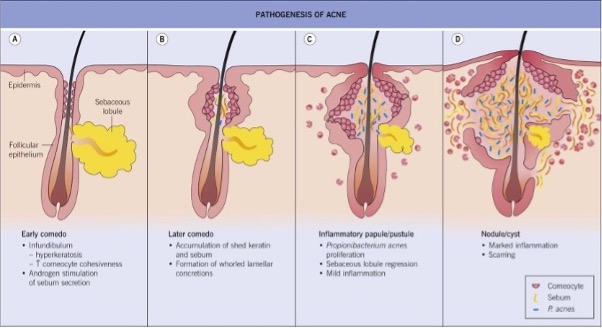
Inflammatory lesions generally a higher chance of leaving long-term marks. Over time, some people may develop different types of acne scars such as rolling scars, ice pick scars, boxcar scars, or hypertrophic scars. As each scar type forms differently, they may require different treatment approaches.

What causes active acne?

The complex process behind the development of acne.

Understanding the root causes of active acne helps us determine which treatments are most suitable. Some of the key factors include:

Hormonal changes that increase sebum production

  • Puberty
  • Menstrual cycles
  • Stress-related hormonal changes (elevated cortisol may influence androgen activity)
  • Polycystic Ovary Syndrome (PCOS) or metabolic syndrome
  • Insulin and Insulin-like Growth Factor 1 (IGF-1) spikes associated with high-glycaemic diets

Follicular hyperkeratinisation (clogged pores)

Studies indicate that acne is commonly caused by hyperkeratinisation, which occurs when skin cells in the hair follicle shed rapidly and cluster together. These cells can block the pore and create ideal conditions for acne development.

Overgrowth of Cutibacterium acnes

C. acnes is a bacteria that normally lives on the skin. But once trapped inside a blocked pore, it multiplies and triggers inflammation. This can turn a simple blockage into red, painful acne.

Genetic and family history

Genetics play a major role in determining who develops acne. Studies on the epidemiology of acne suggest that up to 81% of acne susceptibility may be inherited.

Diet and lifestyle factors

Research indicates that diet and lifestyle habits can influence how often acne flares up. Foods with a high glycemic index, frequent dairy intake, chronic stress, poor sleep, and comedogenic skincare may all play a role in worsening acne.

How to get rid of active acne?

Active acne treatment begins with understanding what is contributing to the breakouts.

A consultation allows the doctor to evaluate your skin condition, review possible triggers, and recommend an approach that matches your needs and comfort level.

Medications may be prescribed to target inflammation, bacteria, clogged pores, or excess oil. These are often the first line of care and are recommended for mild to moderate acne.

For individuals seeking further improvement, aesthetic options may be included. Many cases also benefit from combining plans based on your acne type and specific skin condition.

治療が適応かわからない場合は、ご相談ください